

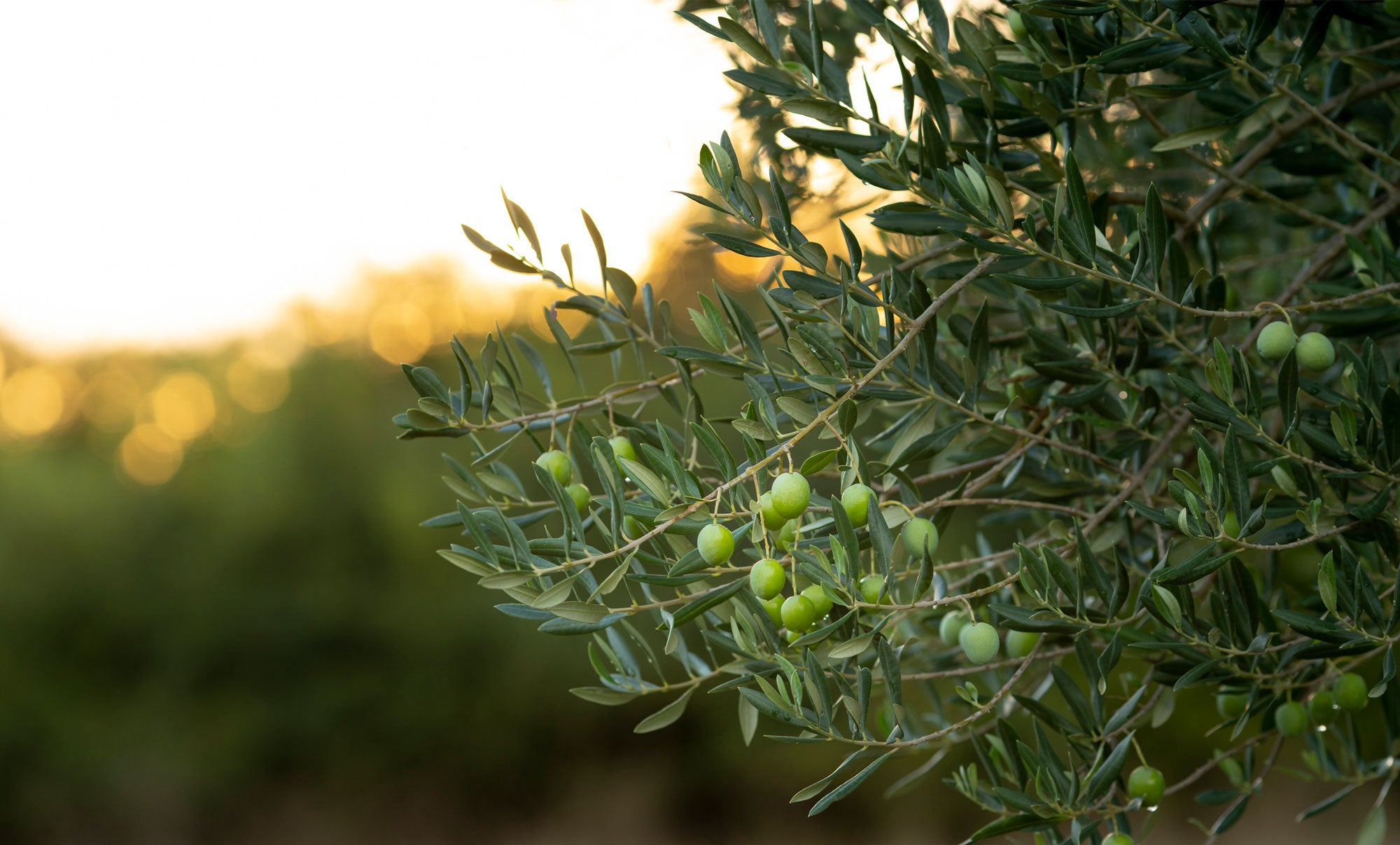
What is Extra Virgin Olive Oil?
EVOO stands for Extra Virgin Olive Oil, which is the highest quality, least processed form of olive oil, obtained from the first pressing of olives using only mechanical means and without heat or chemicals. This minimal processing preserves its natural flavors, aromas, antioxidants (polyphenols), vitamins, and healthy fats, making it a nutritious and flavorful choice for cooking and raw consumption.
How does Greek EVOO reach the United States?
The vast majority of Greek EVOO is shipped via cargo container ships to the United States. The shipping process usually takes 30-45 days. At Green Autumn Revival, we fly our EVOO within days to our NOP certified storage facility. We do everything possible to get our customers the freshest EVOO possible, maintaining high quality and high polyphenol content.
What are polyphenols?
Polyphenols are a group of plant-based chemical compounds that have antioxidants and anti-inflammatory properties. They are found in a wide variety of fruits, vegetables, nuts, seeds, and beverages, including extra virgin olive oil.
What are three of the main polyphenols in EVOO?
Three of the main polyphenols in extra virgin olive oil (EVOO) include oleuropein, hydroxytyrosol, oleocanthal, which are known for their potent antioxidant and anti-inflammatory properties.
How long do polyphenols last in EVOO?
The extremely healthy plant-based antioxidants in EVOO degrade over the 24 months following harvest. Under EU Regulation 432/2012, an Extra Virgin Olive Oil (EVOO) can be labeled with a specific health claim if it contains at least 250 mg/kg of polyphenols. A buyer of high polyphenol EVOO should purchase EVOO in the US around 500mg/kg or above.
Should EVOO be tested?
Yes, lab testing is crucial for verifying that extra virgin olive oil (EVOO) is pure, fresh, and authentic, as many products fail to meet quality standards. Chemical and sensory tests ensure the oil lacks defects, has a high level of beneficial antioxidants, and hasn't been adulterated or mislabeled. Consumers can benefit by looking for certification seals on labels, which indicate a brand has passed these accredited tests, and checking for a recent harvest date.
What is a NOP certified facility?
Green Autumn Revival stores its entire inventory of EVOO, whether organic or not organic, in NOP certified storage facilities; the highest standard in EVOO storage. To sell Organic EVOO in the United States, organic EVOO sellers must store their inventory in a NOP Certified Facility. NOP is a federal regulatory program that develops and enforces organically produced agricultural products sold in the United States. NOP also accredits third-party organizations to certify that farms and businesses meet the national organic standards. These certifiers and USDA work together to enforce the standards.
Should EVOO be stored in a climate-controlled environment between 55-70 degrees Fahrenheit?
Yes, extra virgin olive oil (EVOO) sellers should store their inventory in a climate-controlled environment, ideally within the 55–70°F (12.8–21.1°C) range, to protect its quality. Temperatures that are too high or too low, as well as fluctuations, can damage the oil by speeding up the oxidation process.
The primary enemies of EVOO are:
- Heat: High temperatures cause olive oil to degrade more quickly and can create unpleasant, rancid flavors. Storing it away from heat sources is crucial.
- Optimal temperature: For commercial storage, an ambient temperature of 55–70°F is ideal. Experts and competitions like the New York International Olive Oil Competition often store samples at precisely 57°F (14°C) to maintain optimal quality.
- Protection during retail: Even on the sales floor, bottles should be kept in a cool, dark place away from direct sunlight or bright, artificial lighting; Ideally, in a red wine beverage cooler.
- Higher temperatures: Any temperature consistently above 70°F will accelerate the oil's aging process, degrading its quality and shortening its shelf life.
- Light: Exposure to UV rays from sunlight and artificial lights breaks down the oil's antioxidants, accelerating rancidity. This is why premium olive oils are bottled in dark glass or tin.
- Oxygen: Once a container is opened, oxygen exposure causes oxidation, leading to a loss of fresh flavor and nutritional quality. Storing oil in airtight containers minimizes this effect.
What is the proper packaging for EVOO?
EVOO should always be packaged in opaque or dark-colored containers, such as dark glass or tin, to block out light.
FIFO principle: A "First In, First Out" (FIFO) system is recommended for inventory to ensure that older stock is sold before fresher oil.
Check harvest dates: High-quality EVOO is at its peak within 12 to 18 months of its harvest date. Sellers can help customers by displaying this date when available.
How do you perform EVOO taste testing?
To taste test EVOO, take a small amount of extra virgin olive oil (30ml) and pour in a dark glass. Warm the glass in your hand and inhale the aromas and fragrances. Sip and slurp the oil spreading EVOO in your palette. Look for signs of bitterness, pungency and complexity and the instinct to “cough” after swallowing. Those signs are all representative of high polyphenol EVOO.
What tests does Green Autumn Revival perform on their imported Greek Olive Oil?
Free Fatty Acids (FFA) - The free fatty acid (FFA) test for Extra Virgin Olive Oil (EVOO) is a chemical analysis that measures the percentage of fatty acids that have detached from the oil's glycerol backbone, indicating the oil's quality and freshness. A lower FFA level, expressed as oleic acid, signifies less damage or decay in the olives at the time of crushing, resulting in a higher-quality EVOO. For EVOO, the International Olive Council (IOC) and USDA Agricultural Marketing Service mandate an FFA level at or below 0.8% to qualify for this classification.
Peroxide Value (PV) - The Peroxide Value (PV) test for Extra Virgin Olive Oil (EVOO) measures the extent of oxidation in the oil, which indicates its freshness and degree of rancidity. A low PV suggests fresh, high-quality oil, while a high PV signals that the oil has been exposed to heat, light, or air, leading to the formation of peroxides that cause rancidity. For an oil to be classified as EVOO, its PV must not exceed 20 milliequivalents of active oxygen per kilogram (mq O₂/kg).
Ultraviolet Absorbance (UV-232/270/Delta K) - The ultraviolet (UV) absorbance test for extra virgin olive oil (EVOO) is a chemical analysis that measures how the oil absorbs light at specific wavelengths.
It is a reliable, fast, and cost-effective method used to assess the oil's quality, freshness, and authenticity by detecting signs of oxidation and refinement.
The test uses a UV-Vis spectrophotometer to determine three key values, known as specific extinctions or K-values, in a diluted olive oil sample:
- K232: Measures the absorption at 232 nanometers, which indicates the presence of conjugated dienes and hydroperoxides. These are early-stage products of oxidation, and a low value is a sign of good quality EVOO. EVOO < 2.5.
- K270: Measures the absorption at 270 nanometers, which indicates the presence of aldehydes and ketones. These are secondary products of oxidation and degradation, and a low value signifies a fresh oil that has not been over-processed. EVOO - < .22
- Delta K- A value calculated from the absorption readings at 266, 270, and 274 nanometers. An elevated Delta K can indicate that refined olive oil has been blended with virgin olive oil. EVOO- <.01
Total Polyphenols - A Total Polyphenol test for Extra Virgin Olive Oil (EVOO) measures the total concentration of phenolic compounds in the oil. These compounds are a major group of natural antioxidants that contribute to the flavor, stability, and health benefits of EVOO.
The test quantifies the combined amount of all phenolic compounds present in the oil.
- Antioxidant properties: Polyphenols protect the oil from oxidation, which preserves its flavor and extends its shelf life.
- Sensory characteristics: They are responsible for the characteristic bitter and pungent taste of high-quality EVOO. A peppery sensation in the throat is often a sign of a high concentration of the polyphenol oleocanthal.
- Health benefits: The health-promoting qualities of EVOO, such as anti-inflammatory effects, are largely attributed to its polyphenol content.